
You have an idea for a blog. You may even have half a first post saved somewhere. And then everything stops at one small question: what on earth do I call it?
A surprising number of blogs get stuck right here, sometimes for months. The name feels permanent and public, as if it has to sum you up in three words. So you open a notes app, write down “Thoughts and Things”, wince, and go and make some toast.
Let us take some of the weight off. A name is a label on a door. It helps people find you and remember you, and after a few months of good posts it will feel like yours, whatever it happens to be. Here is a gentle way to find one.
Begin with a pile of words
Trying to think of a finished name is the hard way round. Gathering loose words first is much easier, and rather pleasant with a warm drink. Take a sheet of paper and give yourself ten minutes to jot down anything that answers these:
- What will you mostly write about? List the plain words: bread, allotment, sketching, night shifts.
- Where are you writing from? A town, a street feeling, a season, a kitchen table.
- What small things are always around you? The dog, the bike, the chipped green teapot.
- What do you say a lot? Friends may be able to tell you this one, and they may enjoy it a bit too much.
- What mood do you want a reader to feel? Calm, curious, cheerful, a little bit silly.
Do not judge anything yet. A bad word on the page can still lead you to a good one. You are only filling the pantry at this stage, and cooking comes later.
Four places good names come from
Once you have your pile, most blog names turn out to come from one of four simple recipes. Try a few from each and see which makes you smile.
Your own name
This is the easiest choice and often an underrated one. “Priya Writes” or “Notes from Tom” will fit whatever you end up writing about, for as long as you write. It does ask you to be comfortable with your name out in the world, so think about that first.
A place, real or loosely real
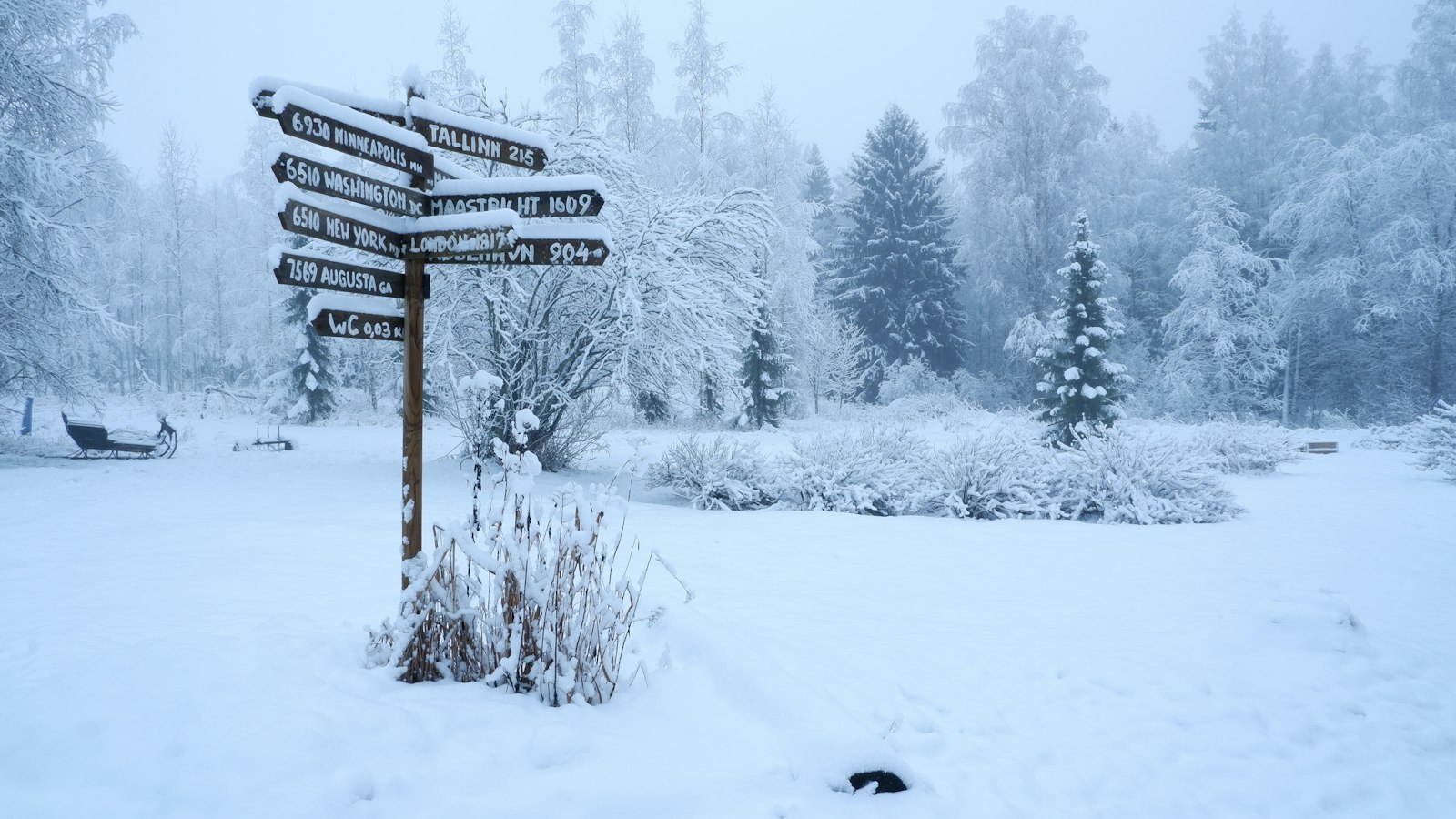
“The Back Step”, “Top of the Hill”, “The Third-Floor Window”. A place name gives readers somewhere to picture, and it hints at a mood without promising a subject. Imagine a blog called “The Back Step” with posts on gardening one week and old films the next. Nobody would blink.
A small, specific object
Pairing an everyday thing with a slightly unexpected word is a lovely trick: “The Borrowed Ladle”, “Odd Socks and Sourdough”, “Pencil Stub”. Specific details tend to stick in the memory far better than big words like “journey” or “adventures”.
A phrase that already sounds like you
That thing you always say might be a name in waiting. Someone who ends every plan with “we will see” could do very well with “We Will See”. If you have read our note on writing how you talk, this is the same idea in a very small package.
Three gentle tests
By now you should have three or four favourites. Before you fall for one, give each of them a little check.
- Say it out loud. Tell an imaginary friend, “I write a blog called…” and finish the sentence. If you feel a small cringe, or you would want to explain it straight away, keep looking. If someone had to hear it once and type it later, could they spell it? Clever spellings and swapped letters look fun and then get lost in conversation.
- Imagine your hundredth post. “My First Year of Knitting” is charming until year two. A name with some room in it lets you wander. Ask yourself whether it would still fit if you started writing about something else entirely next spring.
- Look it up. Search for the name and see what comes back. Sharing a phrase with a tiny old blog is no great tragedy, but you will want to steer clear of a well-known brand, a business in the same field, or anything you would be sad to be mistaken for.
A name does not need to pass with flying colours. It just needs to pass.
A few names to think twice about
None of these are forbidden, and you will find happy blogs that break every one. They simply tend to cause small headaches later.
- The word “blog” itself. “Sarah’s Blog” tells readers something they already know. You could spend those words on something more fun.
- Years and ages. “Thirty and Thriving” has a shelf life, as the writer will discover around their next birthday or two.
- Puns that need a footnote. If only you and your sister get the joke, most readers will just feel a little left out.
- Private details. Your street, your child’s full name or your workplace may feel cozy now, but a blog is public. It is worth keeping those to yourself, and our community guidelines ask the same care for other people’s details too.
- Someone else’s fame. Borrowing a famous title or a big company’s name might get you an awkward email one day, and it makes you sound like them when you could sound like you.
Your blog name and your handle
If you write on SnowyPaw, there is one more name to keep in mind. As our tour of the site explains, an invited writer’s blog lives at /your-handle/, and that @handle sits beside your posts. So it is the name readers may see most often.
Handles like to be short, lowercase and easy to read at a glance. It helps if yours sounds friendly next to your blog’s title, even if the two are not identical. “The Borrowed Ladle” and @ladle would sit together very happily. If your blog has a longer name, think of the handle as its nickname.
The name you choose will also shape how you introduce yourself, so once it is settled, it is a nice moment to work on the short bio on your profile.
When you just cannot decide
Sometimes you end up with two names you quite like and no way to choose between them. Here is a small ritual that tends to help.
Write your favourite at the top of a page, as though it were already your blog. Underneath, write the title of a post you would like to publish. Leave it overnight. In the morning, look at it with fresh eyes and notice whether you feel a small “oh, that is nice”. Then try the other one. Your gut usually settles it, and you can always ask a friend which name they would remember tomorrow.
If you are still torn after that, flip a coin. People often discover which side they were hoping for while it is still in the air.
Then get on with the good part. A perfect name on an empty blog does less for you than an ordinary one above a post someone enjoyed, and readers will come to love the name because of what they found under it. So choose one that is good enough, write it down, and go and start on your very first post. The kettle is probably still warm.
Comments0
It’s quiet in here. Fancy breaking the ice?